
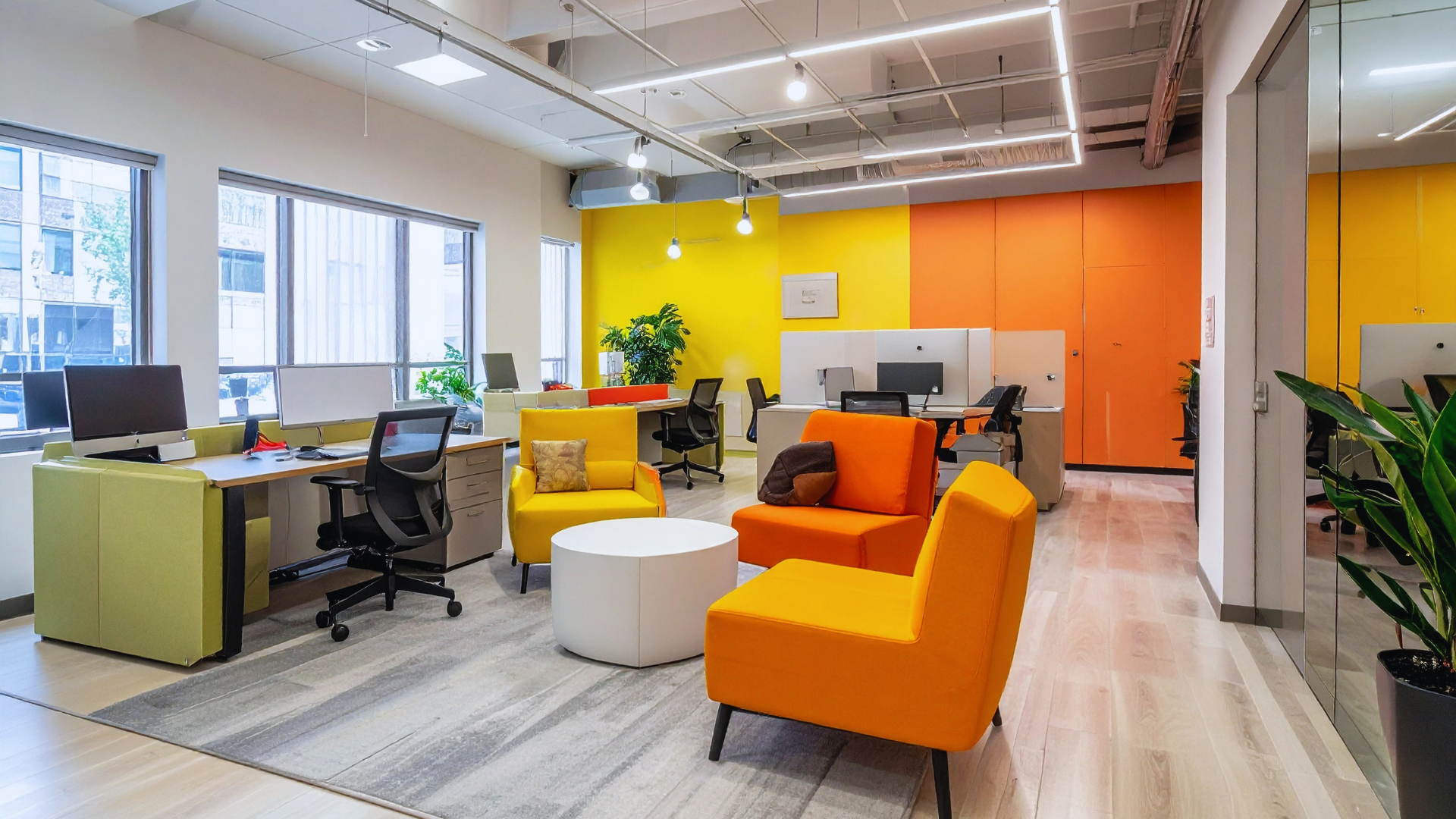
Creating a workspace that sparks artistic inspiration requires intentional design choices that reflect personal style and creative needs. He or she should prioritize lighting, color schemes, and organization to foster focus and imagination.
Incorporating elements like plants, artwork, or meaningful objects can also enhance creativity by adding personality and comfort. A well-styled workspace balances functionality with visual appeal, encouraging consistent productivity.
Designing a Workspace That Sparks Artistic Inspiration
An inspiring workspace combines elements that enhance focus and creativity. It balances light, color, texture, and personal touches to boost artistic energy without clutter or distraction.
Maximizing Natural Light for Creativity
Natural light is essential in a creative workspace. It reduces eye strain and increases alertness, making it easier to stay focused on artistic tasks.
Position the workspace near windows to capture as much daylight as possible. Using sheer curtains helps diffuse sunlight, preventing harsh glare while maintaining brightness.
Exposed brick walls or light-reflective surfaces can amplify natural light. Scandinavian design often incorporates large windows and open layouts to maximize sunlight and create an airy feel.
If natural light is limited, supplement with full-spectrum bulbs that mimic daylight. Lighting should be adjustable to match different times of day and creative needs.
Choosing Colors and Materials to Boost Imagination
The choice of colors strongly impacts mood and creativity. Soft neutrals combined with vibrant accents encourage calmness and inspiration simultaneously.
Using reclaimed wood in furniture or wall panels adds warmth and character to the workspace. It brings a tactile, grounded element that contrasts well with sleek, modern materials.
Interior designers recommend pairing natural materials with bold textiles or painted accent walls to balance serenity and stimulation. For instance, muted walls with bright cushions or rugs promote creative thinking.
Avoid overly dark walls or cluttered patterns, which can cause visual fatigue. Colors like pale blue, green, and warm earth tones are proven to increase concentration and imaginative flow.
Incorporating Inspiring Elements into Your Environment
An inspiring workspace should reflect personal taste and artistic goals. Displaying artwork, sketches, or mood boards fosters a creative mindset.
Functional décor, such as open shelving for tools and materials, keeps necessary items within reach and maintains order. This reduces interruptions caused by searching for supplies.
Plants and natural objects improve air quality and introduce organic forms that stimulate creativity. They also complement textures like reclaimed wood and exposed brick, creating a balanced atmosphere.
Artists often include a dedicated area for brainstorming, such as a whiteboard or corkboard, to visualize ideas. Customizing the workspace with meaningful objects supports long periods of imaginative work.
Personalizing and Organizing Your Creative Space
A well-designed creative space combines personal touches with practical order. It highlights inspiring elements while minimizing distractions. The environment should invite creativity without sacrificing usability or comfort.
Showcasing Artwork and Objects That Inspire
Displaying artwork and objects that hold personal or artistic meaning helps keep inspiration visible. An inspiration board or vision board can serve as a rotating gallery for sketches, quotes, or images that fuel ideas.
Shelves and wall-mounted displays are effective for showcasing sculptures, souvenirs, or books. Items should be arranged to avoid clutter but remain easily accessible to spark creativity when needed.
Choosing a consistent theme, like color or style, can unify the space. This visual cohesion supports a focused mindset and an inviting atmosphere.
Managing Clutter with Effective Storage Solutions
An organized workspace requires storage tailored to creative tools and materials. Use labeled containers, drawer dividers, and stackable bins to separate supplies like brushes, papers, or electronics.
Vertical storage maximizes floor space. Pegboards and wall racks keep frequently used items front and center without taking up desk space. This method reduces distractions caused by clutter.
Routine tidying is key to maintaining order. Setting aside 5-10 minutes at the end of each day prevents the accumulation of unnecessary items and preserves workflow efficiency.
Balancing Comfort with Ergonomic Furniture
Ergonomic furniture supports posture and reduces strain during long creative sessions. Adjustable chairs with lumbar support and desks at the proper height are essential to comfort.
Standing desks or convertible workstations offer flexibility and encourage movement, which can improve focus. Cushions and footrests also enhance comfort without compromising ergonomics.
Arranging furniture to harness natural light while minimizing glare can reduce eye strain. Proper lighting complements ergonomic choices to create a healthier workspace.
Functional Zones for Artistic Productivity
A well-organized creative workspace improves focus and efficiency. Dividing the area into clear zones supports varied artistic activities while keeping tools accessible and clutter minimal.
Setting Up a Dedicated Reading Nook
A reading nook serves as a quiet refuge for inspiration and research. It should include comfortable seating, such as an ergonomic armchair or a small sofa, positioned near natural light or a soft lamp.
Storage for books, sketchpads, and reference materials must be within arm’s reach. Adding a small side table or shelf helps keep items organized without interrupting the flow of creative work.
Soft textiles, like cushions or throws, contribute to physical comfort, making longer reading sessions more inviting. This focused zone encourages immersion in ideas away from digital distractions.
Creating Flexible Work Areas for Multiple Tasks
A workspace must accommodate varying tasks like sketching, digital design, and writing. Adjustable furniture, such as a standing desk, allows switching between sitting and standing for posture and energy control.
Clear surface space is essential. Using modular tables or easily movable carts creates flexibility to rearrange tools and materials based on the task’s needs.
Dividing the area visually, with rugs or shelving units, marks task zones without isolation. This layout supports smooth transitions between activities and keeps the creative process fluid.
Implementing Cable Management and Tech Organization
Efficient cable management prevents clutter and safety hazards, which can disrupt artistic flow. Using cable trays, clips, or sleeves consolidates wires neatly under desks or along walls.
Labeling cords reduces time spent identifying devices, especially in setups involving multiple monitors, tablets, or printers. Wireless peripherals further minimize tangled cords.
Organizing tech tools by frequency of use limits clutter. Items used daily should stay within easy reach, while less critical equipment can be stored in drawers or cabinets.
Sustaining Inspiration and Productivity in Your Workspace
Creating a workspace that remains a source of artistic motivation requires ongoing attention. This includes managing the environment’s order and integrating consistent creative routines to support the artistic process.
Maintaining a Clean and Evolving Environment
A clutter-free workspace boosts focus and minimizes distractions. Regularly removing unused materials and organizing tools within easy reach keeps the space functional. This organization supports a smooth creative process and reduces decision fatigue.
Workspace design should also evolve with changing projects and inspiration. Swapping out artwork, adjusting lighting, or introducing new textures refreshes the environment. These subtle changes prevent stagnation and help maintain engagement with the space.
Using storage solutions like labeled boxes or shelves makes it easier to keep supplies orderly. Digital tools, such as task management apps, can complement the physical order by tracking project progress and deadlines.
Cultivating Rituals and Daily Artistic Practices
Consistent daily practices nurture sustained creativity. Artists benefit from setting specific times to work, whether sketching, brainstorming, or experimenting. This regularity turns creativity into a habit rather than a sporadic event.
Rituals like warming up with quick sketches or reviewing inspirational material prepare the mind for focused work. A dedicated workspace designed for these rituals helps signal to the brain that it is time to enter a creative mindset.
Incorporating breaks for movement or reflection enhances productivity. By balancing intense work periods with rest, artists can avoid burnout and maintain steady progress throughout their projects.