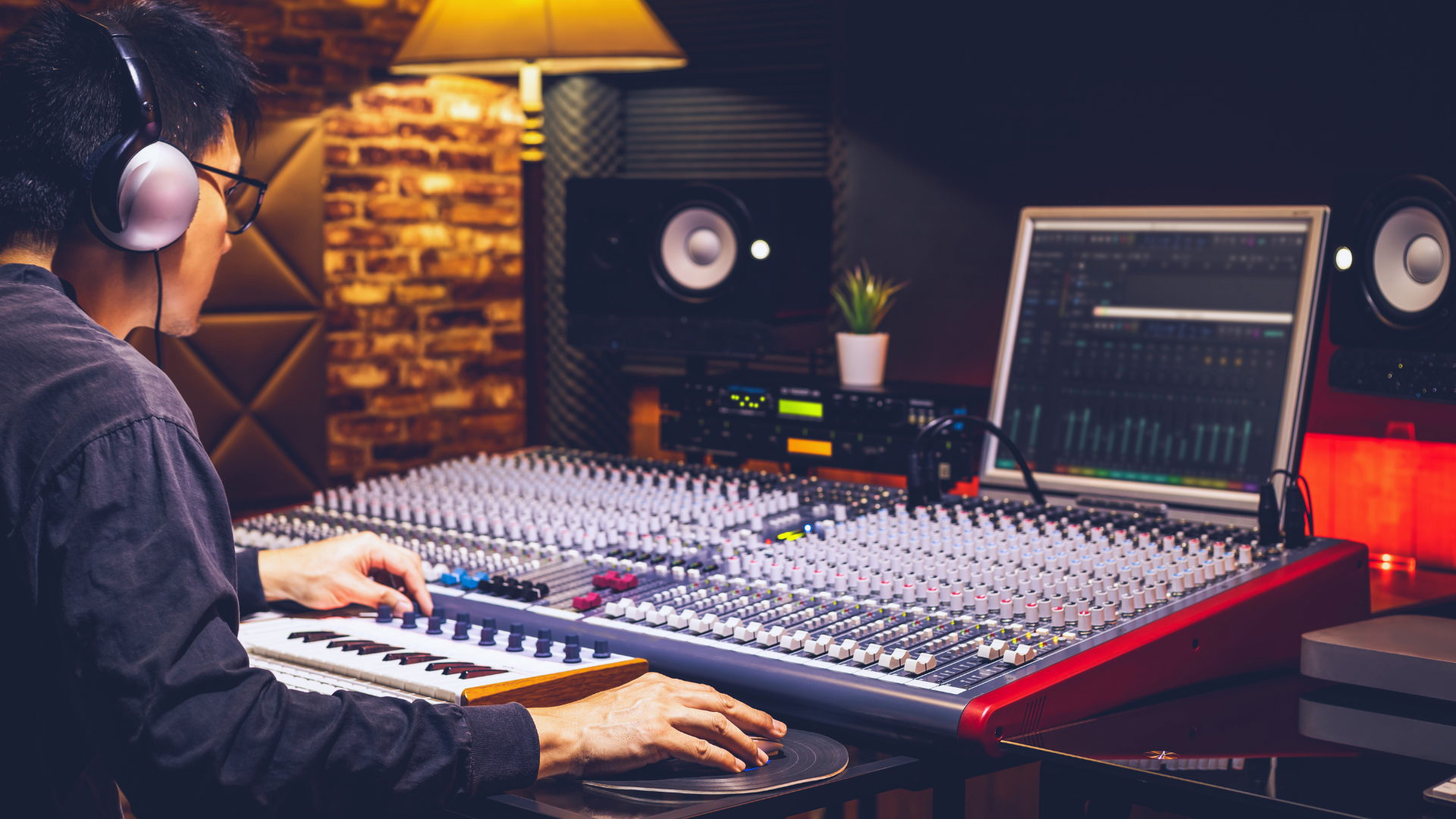
In the ever-evolving landscape of music production, aspiring producers often find themselves overwhelmed by the multitude of software options available. The right tools can ignite creativity and provide the inspiration needed to hone their unique sound. With technologies advancing rapidly, it’s crucial for up-and-coming producers to choose software that not only meets their technical needs but also fosters their artistic vision.
From digital audio workstations (DAWs) to virtual instruments and plugins, the choices can significantly impact the quality and ease of the production process. Many software tools offer features tailored to beginners while also catering to more advanced users, enabling growth and exploration in their music-making journey.
This blog post highlights some of the best software tools that can equip new music producers with everything they need to start their creative endeavors. By focusing on user-friendly options and powerful capabilities, these tools stand out as essential in helping producers develop their skills and bring their musical ideas to life.
Essential Music Production Software
The right software is crucial for music producers looking to develop their sound. This section highlights essential tools, including Digital Audio Workstations (DAWs), virtual instrument libraries, and audio plugin ecosystems.
Digital Audio Workstations
Digital Audio Workstations (DAWs) serve as the foundation for music production. They allow producers to record, edit, and mix audio seamlessly.
Popular DAWs include:
- Ableton Live: Renowned for its intuitive interface and session view, it supports live performances and studio work.
- Logic Pro: Known for its comprehensive suite of tools, it integrates virtual instruments and effects tailored for Mac users.
- Pro Tools: Industry standard in professional studios, ideal for detailed editing and mixing.
- FL Studio: Popular among electronic music producers, featuring a user-friendly interface and pattern-based workflow.
- GarageBand: A suitable entry point for beginners on macOS, offering basic tools to start music creation without overwhelming complexity.
Choosing the right DAW depends on workflow preferences and genre focus.
Virtual Instrument Libraries
Virtual instrument libraries expand a producer’s sonic palette. They offer realistic and unique sounds without requiring extensive hardware.
Key offerings include:
- Native Instruments Kontakt: A versatile platform with extensive libraries, supporting a wide range of genres.
- EastWest Sounds: Provides high-quality, orchestral, and contemporary sounds with a subscription model.
- Spitfire Audio: Features meticulously recorded orchestral samples, perfect for cinematic compositions.
Investing in a robust library enhances creativity by providing diverse and high-quality instruments.
Audio Plugin Ecosystems
Audio plugins are essential for adding effects and enhancing sound quality. They include virtual instruments and audio effects processors.
Important plugin types:
- VSTs (Virtual Studio Technology): Widely supported and allow for integration with various DAWs. Examples include Serum and Omnisphere.
- Audio Effects: Include compressors, equalizers, and reverb to refine the audio mix. Notable plugins include Waves and FabFilter.
Many producers opt for subscription models, providing access to a range of plugins at a lower initial cost. This approach aligns well with evolving production techniques, allowing flexibility and creativity.
Advancements in AI for Music Creators
Recent developments in AI technology are transforming music creation, with tools that enhance creativity and streamline production processes. Music producers now have access to smarter solutions that help them compose, design sound, and collaborate effectively.
AI-Assisted Composition
AI-assisted composition tools provide musicians with the capability to generate melodies, harmonies, and arrangements with ease. Programs like AIVA and Amper Music use algorithms to analyze vast music libraries, offering suggestions that align with a producer’s style.
These tools can create entire tracks or provide snippets for inspiration, allowing creators to focus on refining their ideas. For instance, AIVA is notable for its ability to compose classical-style music, making it versatile for various genres.
Intelligent Sound Design
Intelligent sound design tools leverage AI to analyze and synthesize audio in innovative ways. Plugins from companies like brainworx offer advanced features that help producers craft unique sounds tailored to their projects.
AI can manipulate parameters dynamically based on user interactions, ensuring each sound is distinctive. For example, Roland Cloud integrates AI to enhance its synths, providing users with intelligent presets that evolve based on the user’s playing style and preferences.
Collaborative Platforms with AI Features
Collaborative platforms are increasingly incorporating AI features to improve the music production experience. Tools like Splice and Soundtrap enable artists to share projects and ideas seamlessly, while AI helps suggest edits and adjustments.
AI-driven collaboration can highlight areas for improvement or propose alternative arrangements. This feature fosters a more productive environment where creativity thrives, ultimately enhancing the final output of collaborative projects.
Workflow and Collaboration Tools
Efficient workflow and collaboration are critical for music producers aiming to excel in a competitive landscape. This section covers essential tools that streamline production processes, enhance remote collaboration, and facilitate music distribution.
Streamlining Production with DAWs
Digital Audio Workstations (DAWs) are the backbone of music production. Popular DAWs like Ableton Live, FL Studio, and Logic Pro X offer features that cater to recording, mixing, and mastering.
Producers can utilize built-in plugins and virtual instruments to enhance their sound. Features such as MIDI editing, audio warping, and automation allow for a smooth creative process.
DAWs also support third-party VST plugins, enabling customization of sound design. This makes it easier to achieve a polished final product. Additionally, some DAWs offer cloud integration, allowing artists to save and access their work from different devices, enhancing flexibility.
Online Collaboration Platforms
Collaborative projects are common in the music industry. Platforms like Splice provide tools that simplify remote collaboration. Users can upload their projects and share samples, loops, and presets with collaborators worldwide.
Splice also enables users to comment on specific sections of tracks, facilitating feedback and revisions. This real-time collaboration is crucial for artists working with remote team members.
Some DAWs now offer built-in collaboration features, allowing multiple users to edit a track simultaneously. This means changes can be made instantly, making it easier to refine ideas together.
Distributing Your Music
After production, getting music heard is vital. DistroKid is a leading music distribution service that simplifies the process. It allows artists to distribute their music across platforms like Spotify, Apple Music, and Amazon Music without upfront fees.
Producers can upload their tracks easily and retain full ownership of their music. DistroKid’s user-friendly interface helps manage releases and royalties effectively.
Music distribution is often overlooked, but it’s essential for reaching a broader audience. Using a reliable distribution service ensures that producers can focus on their craft while their music reaches listeners worldwide.
Exploring Resources and Samples
In music production, resources and samples play a crucial role in shaping sound. Understanding where to find high-quality sounds and how to create unique samples can significantly elevate a producer’s work.
Royalty-Free Samples Libraries
Royalty-free sample libraries provide music producers with vast collections of sounds that can be used without legal concerns. Platforms like LANDR offer thousands of samples across genres, allowing users to find specific noises easily. This accessibility encourages creativity while avoiding copyright issues.
Producers should look for reputable libraries that offer high-quality recordings. Important factors to consider include the sample rate, audio format, and genre variety. Many libraries also update their collections frequently, which keeps sound choices fresh. Some notable examples include:
- Splice
- Loopmasters
- Sounds.com
These platforms cater to diverse music styles and typically provide a subscription model or pay-per-sample options.
Bespoke Sound Creations
Bespoke sound creations empower producers to craft unique sounds tailored to their specific projects. This process often involves sound design techniques, including sampling and synthesis, providing musicians with distinctive audio elements.
Using software tools, producers can manipulate sounds at a granular level, combining different layers and effects. Programs like Ableton Live and FL Studio are excellent for creating customized samples. Additionally, using audio manipulation techniques can yield unique results.
Producers are encouraged to explore different methods, such as:
- Field recording
- Synthesizers
- Processing effects
With these strategies, they can develop signature sounds that stand out in the crowded music landscape.


