
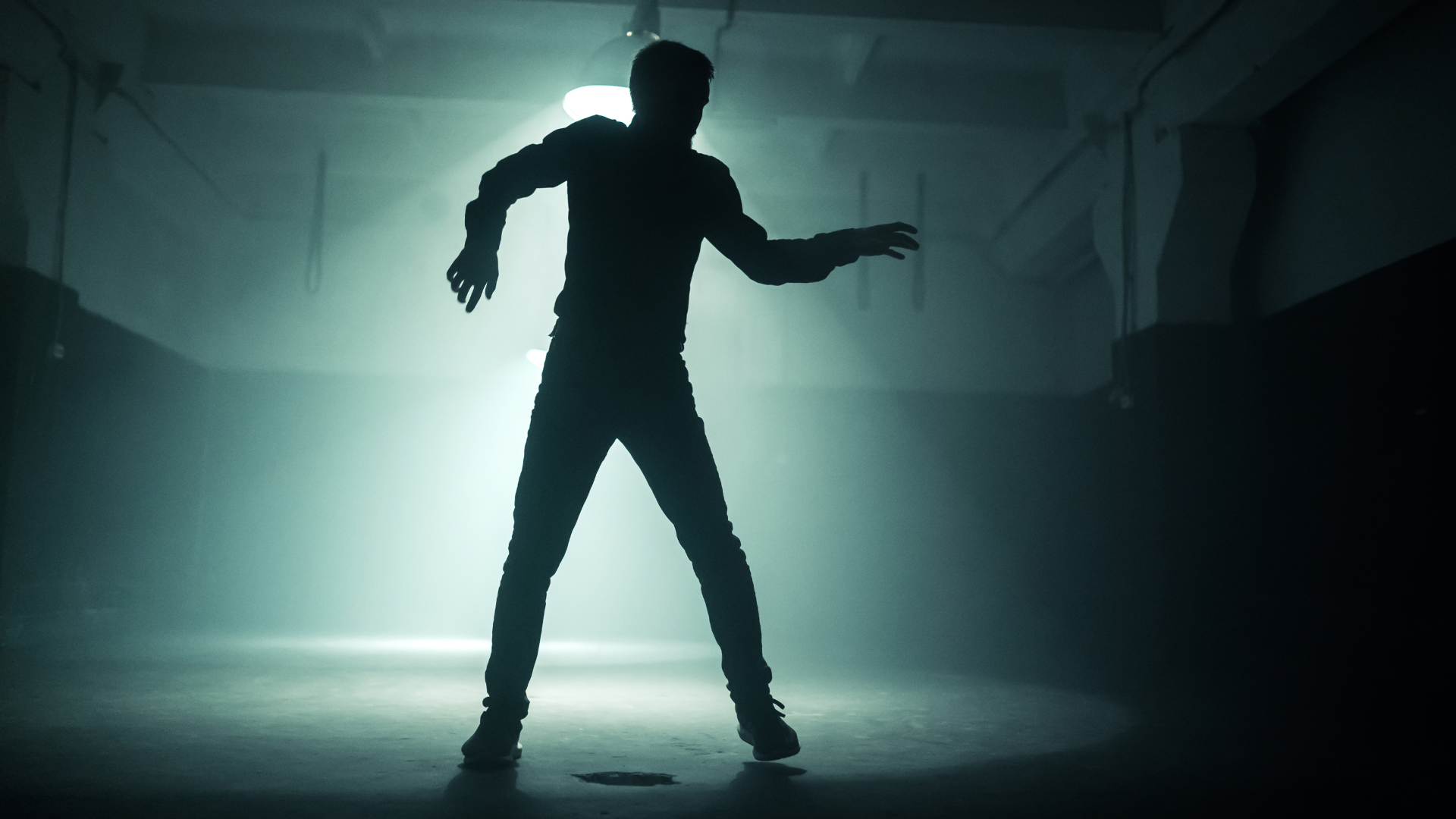
Backlit Portraits is a photographic technique in which the subject is placed in front of a light source, which creates a halo of light on or around the front surface of the subject. The background is usually left completely dark. The effect, which dates back to the 1800s, is sometimes referred to as backlight lighting. Backlit portraits are popular for outdoor portraits because they have a very dramatic look that brightens the subject’s face and gives them an almost ethereal feel.
Shooting backlit portraits can be both challenging and rewarding. To help you more, here are some tips for shooting backlit portraits.
- Select the correct camera settings. It’s hard to predict when you’ll need to take back-lit photos, but when you do, it’s important to take the right steps to ensure a good shot. For optimal effects, use a camera that has a viewfinder and a physical shutter button, and use manual settings to set your camera to the proper light level. The ISO should be set to 100. Then, choose a shutter speed of at least between 1/100 and 1/164 second, and adjust your aperture somewhere from f/2.8 to f/5.6 for that wider aperture. You’ll have plenty of light at that aperture, though a high ISO will be necessary. Finally, experiment with your camera’s white balance for different shots.
- Select the perfect time of the day to have the shoot. The best time of day to shoot backlit portraits is when the sun is not directly overhead (this creates harsh shadows on your subject’s face) but rather off to one side. Cloudy, overcast days are also ideal. This time of day is often referred to as the golden hour.
- Place the light behind your subject. Shooting backlit portraits can be tricky, but it’s a great way to capture a dramatic image. The key is to get a good background, and positioning the light behind your subject will make for an image that’s brighter than most. When shooting in bright light, such as outdoors or with flash, remember that your camera’s meter will only give you an approximate exposure. To make sure your portrait is bright, you’ll need to make adjustments to your camera’s menu.
- Make some adjustments to your equipment as well as the positioning. However, one challenge many photographers face is ensuring that their camera is properly calibrated to shoot in backlit lighting. Shooting backlit portraits can be a real challenge, and since lens flare is a real concern for backlit photos, you can choose a lens hood that is in line with your lens. If you are using a zoom lens, get a hood that will match the shortest focal length.
- Don’t be afraid to experiment, especially with different positions and angles. One of the tricks to shooting backlit portraits is to experiment with different angles and positions. This will give their subjects the most amount of light as possible. Although the most common method is to put your subject directly in front of the sun, you can also get interesting compositions by taking advantage of the sun’s angles. By changing up our angles, we might find the light we need.
- Fill light and fill flash. When backlit shooting portraits for fill light (on your flash), fill light from your flash is critical. Set your flash for your main camera (with your camera set to manual and the exposure compensation dial at -1) at 1/4 power, and make sure your flash is disabled in the camera’s menu settings. Set your flash to rear-facing, or use a bounce card. Also, for fill flash, set your flash for your main camera and the exposure compensation dial to +1. Shoot on manual mode, and set your aperture to get a good depth of field.
- Try using the spot meter. Shooting backlit portraits can be one of the most difficult challenges a portrait photographer can face. Spot metering can help immensely, though. A spot meter can tell your camera to stop metering at the area you want to, so you can guarantee that your exposure will be correct.
- Make some adjustments with the white balance. The white balance setting controls how the camera renders colors. Under certain lighting conditions, the camera may produce inaccurate colors. Use the WB (white balance) button on the back of the camera menu to adjust the color temperature.
Shooting backlit portraits can be a lot of fun, but it can also be tricky. You can still capture great images even if you’re not an expert, but the illumination from the background can make shots look unnatural. Learn how to balance backlighting, background, and subject for the best outcome when you shoot backlit portraits.


