Choosing between analog and digital gear depends on the desired sound quality, workflow, and budget. Analog equipment offers warmth and character through physical circuitry, while digital gear provides precision, flexibility, and ease of use with modern technology. The best choice aligns with the user’s specific needs and goals rather than a universal preference.
Many artists and producers consider the genre and final output when deciding. Analog may suit those seeking vintage tones or organic warmth, while digital appeals to those needing versatility and efficiency. Both types can complement each other, creating a hybrid setup.
Understanding the strengths and limitations of each helps make an informed decision. Rather than focusing on trends, the decision should be practical, based on what benefits the creative process most effectively.
Fundamental Differences Between Analog and Digital Gear
Choosing between analog and digital gear involves understanding their distinct approaches to audio production. The differences lie mainly in how they handle signals, affect sound quality, and provide user control during mixing and production.
Signal Processing and Workflow
Analog hardware processes audio as continuous electrical signals. This results in natural signal degradation and harmonic distortion that many users find appealing. Analog gear requires manual setup and adjustment, often making workflow more tactile but less flexible.
Digital audio workstations (DAWs) use digital precision, converting signals into binary data for processing. This allows for editability, recall, and automation that are impossible with pure analog systems. Digital workflow enables non-destructive editing and easy integration of multiple effects.
Sound Quality and Fidelity
Analog sound is often described as warm and rich due to inherent characteristics like subtle saturation and natural compression. It introduces slight variations and noise, impacting sound quality in ways some producers prefer.
Digital sound offers cleaner and more accurate reproduction, minimizing noise and distortion. It supports higher dynamic range and clarity, important for detailed mixing and mastering. However, some argue it can sound sterile compared to analog.
Hands-On Control Versus Automation
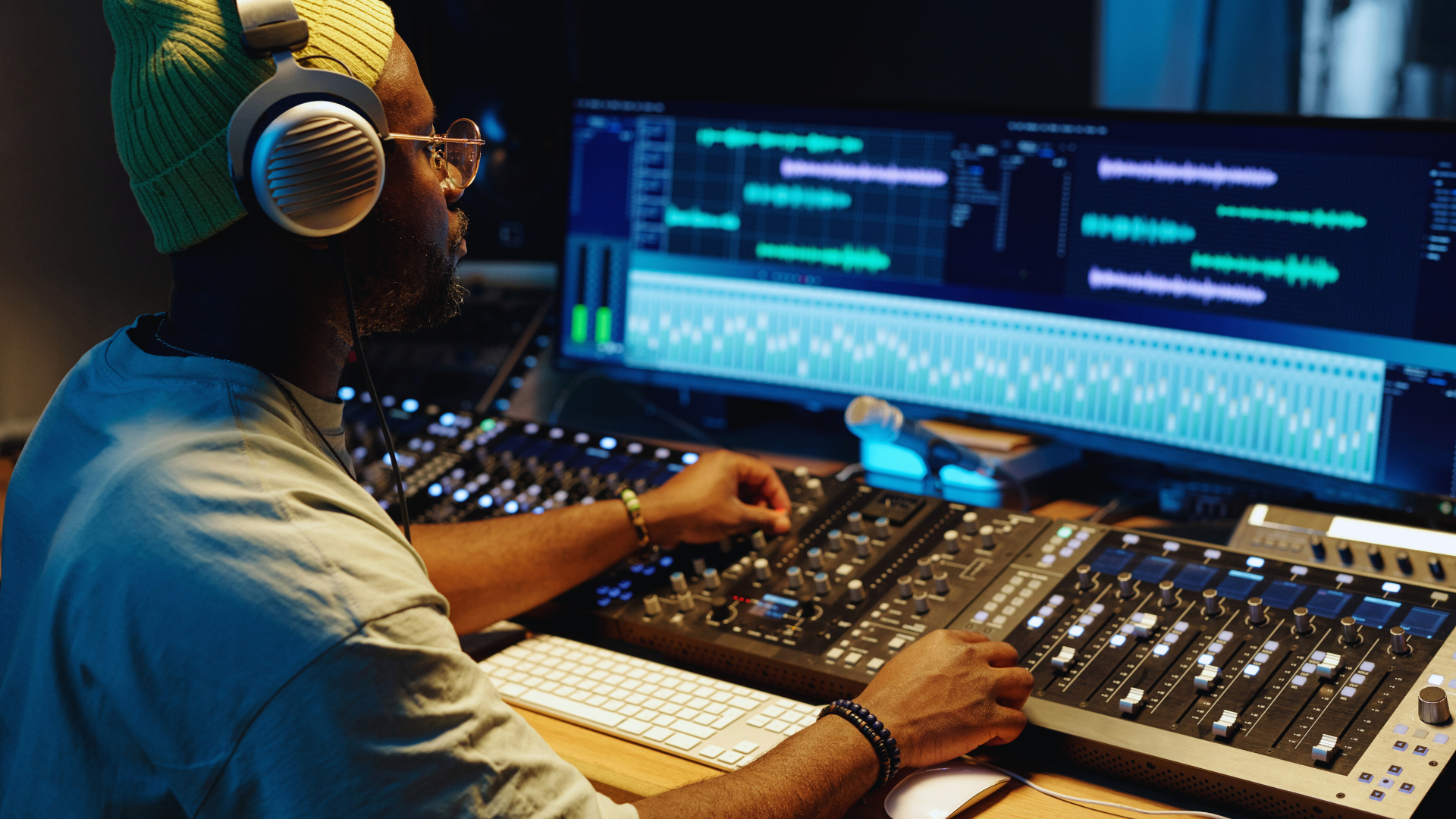
Analog gear emphasizes hands-on control through physical knobs and sliders, providing direct tactile feedback. This can improve the creative experience for users who prefer manual interaction with equipment.
Digital systems excel in automation, allowing precise parameter changes over time within DAWs. This enables complex mixing moves and consistent recall, which is essential for modern production workflows. Automation in digital environments supports intricate sound design that analog hardware cannot replicate fully.
Sonic Characteristics and Creative Impacts
Choosing between analog and digital gear affects the sound texture and the creative workflow. Analog equipment offers unique tonal qualities that alter signals naturally. Digital solutions excel in accuracy and flexibility but often rely on emulating analog characteristics.
Analog Warmth and Harmonic Distortion
Analog warmth results from subtle harmonic distortion generated by components like tubes, transformers, and transistors. These distortions add pleasant even-order harmonics, enriching the sound with depth and body.
Mixing consoles and analog gear impart this warmth naturally, producing sounds often described as “full” or “smooth.” Digital plugins simulate harmonic distortion to capture analog warmth, but this is an approximation rather than a direct effect.
Harmonic distortion in analog systems creates a pleasing color that can mask harsh frequencies. This contributes to a more natural listening experience, especially on vocals and instruments.
Distortion and Saturation in Mixing
Saturation in analog gear occurs when the signal level is pushed beyond the linear range, causing controlled distortion. This enhances perceived loudness and adds character through compression and harmonic enhancement.
Engineers often use tape saturation, tube distortion, and analog consoles to introduce gentle distortion that blends tracks cohesively. Digital plugins replicate these effects with adjustable parameters, offering more control but sometimes lacking the unpredictable complexity of hardware.
Distortion and saturation influence how elements sit in the mix, often making tracks sound warmer and less clinical. This can be particularly useful on drums, bass, and guitars.
Organic Feel Versus Precision Editing
Analog gear imparts an organic feel via subtle imperfections and nonlinearities, shaping the creative process with unpredictable results. This can inspire musicians and engineers to make decisions based on how the gear responds intuitively.
Digital editing provides precision and repeatability with clean, transparent processing. Digital plugins enable detailed adjustments like precise automation, time correction, and seamless recall of settings, facilitating an efficient workflow.
The choice depends on the desired balance: analog gear encourages experimentation and coloration, while digital tools offer accuracy and consistency. Both have distinct roles depending on the creative goals and project requirements.
Practical Considerations for Gear Selection
Choosing between analog and digital gear involves evaluating factors such as budget, ease of use in daily tasks, and compatibility with existing systems. These elements directly impact the productivity and creative output in audio production environments.
Cost and Accessibility
Analog equipment like tape machines and vintage compressors often demands a higher initial investment and ongoing maintenance costs. Parts can be scarce and repairs expensive, which may limit accessibility for some users.
Digital tools generally offer a lower upfront cost with immediate availability through downloads and updates. Plugins and digital audio workstations (DAWs) provide affordable emulations of classic analog gear, broadening access without physical hardware.
Budget constraints also affect decisions on quantity and variety of gear, with digital setups allowing more layered experimentation due to lower incremental expenses.
Workflow Efficiency
Digital workflows integrate seamlessly with MIDI controllers, automation, and editing features, allowing precise adjustments and non-destructive editing. This can speed up production and encourage iterative refinement.
Analog gear requires hands-on interaction, which some find inspires creativity but can slow down repetitive tasks or corrections. Physical controls improve tactile feedback but reduce recall speed compared to preset memory in digital systems.
Balancing workflow demands means considering the type of projects and time constraints, as many producers employ hybrid methods to combine analog warmth with digital convenience.
Integration with Digital Tools
Analog devices often need additional interfaces or converters to connect with DAWs, adding complexity to the signal chain. Proper synchronization and latency management are necessary to maintain audio quality.
Digital gear and plugins are designed to work natively within common audio production software, ensuring smooth integration and updates. This reduces technical barriers and enhances compatibility with current digital workflows.
In setups where analog processing is essential, it is important to evaluate how well that equipment works with existing digital tools to maintain efficiency and sound quality.
Applications in Music Production and Mastering
Choosing between analog and digital gear depends on the specific demands of music production, mixing, and mastering. Each tool offers distinct advantages in workflow, sound quality, and creative control.
Mixing and Hybrid Setups
In mixing, analog hardware provides warmth, saturation, and natural compression that many engineers prefer for vocals, drums, and guitars. Mixing consoles with analog circuitry add character, which can be challenging to replicate digitally.
Digital plugins excel in precision and recallability, allowing quick adjustments and automation. Hybrid setups combine both: engineers often use analog hardware for tracking certain elements, then integrate digital plugins for detailed editing and effects. This approach balances sonic depth with workflow efficiency. Digital emulations of analog gear have improved, but true analog gear remains valued for its tactile response and subtle sonic nuances.
Mastering with Analog and Digital Tools
Mastering frequently uses analog gear to add harmonic richness and smooth dynamics, especially with equalizers and compressors known for their musical coloration. Analog mastering chains can impart a sense of cohesion and warmth to the final product.
Digital tools offer transparency and exact control, important for precise frequency adjustments and loudness optimization. Many mastering engineers rely on a combination, starting with analog hardware for tonal shaping, then finishing with digital plugins for clarity, metering, and format conversion. The choice reflects the desired final sound and project requirements.
Genre and Artistic Considerations
Different music genres benefit from specific gear choices. Rock, blues, and jazz often favor analog gear to capture organic, vintage textures. Electronic and pop genres lean toward digital tools for their versatility and ease of integration with software-based workflows.
Artists’ creative goals also influence gear selection. Those aiming for authenticity and warm, raw sounds might prioritize analog hardware. Producers focusing on clean, polished, and highly editable productions often prefer digital solutions. Ultimately, matching gear to artistic intent and genre conventions is critical in achieving the best results.


